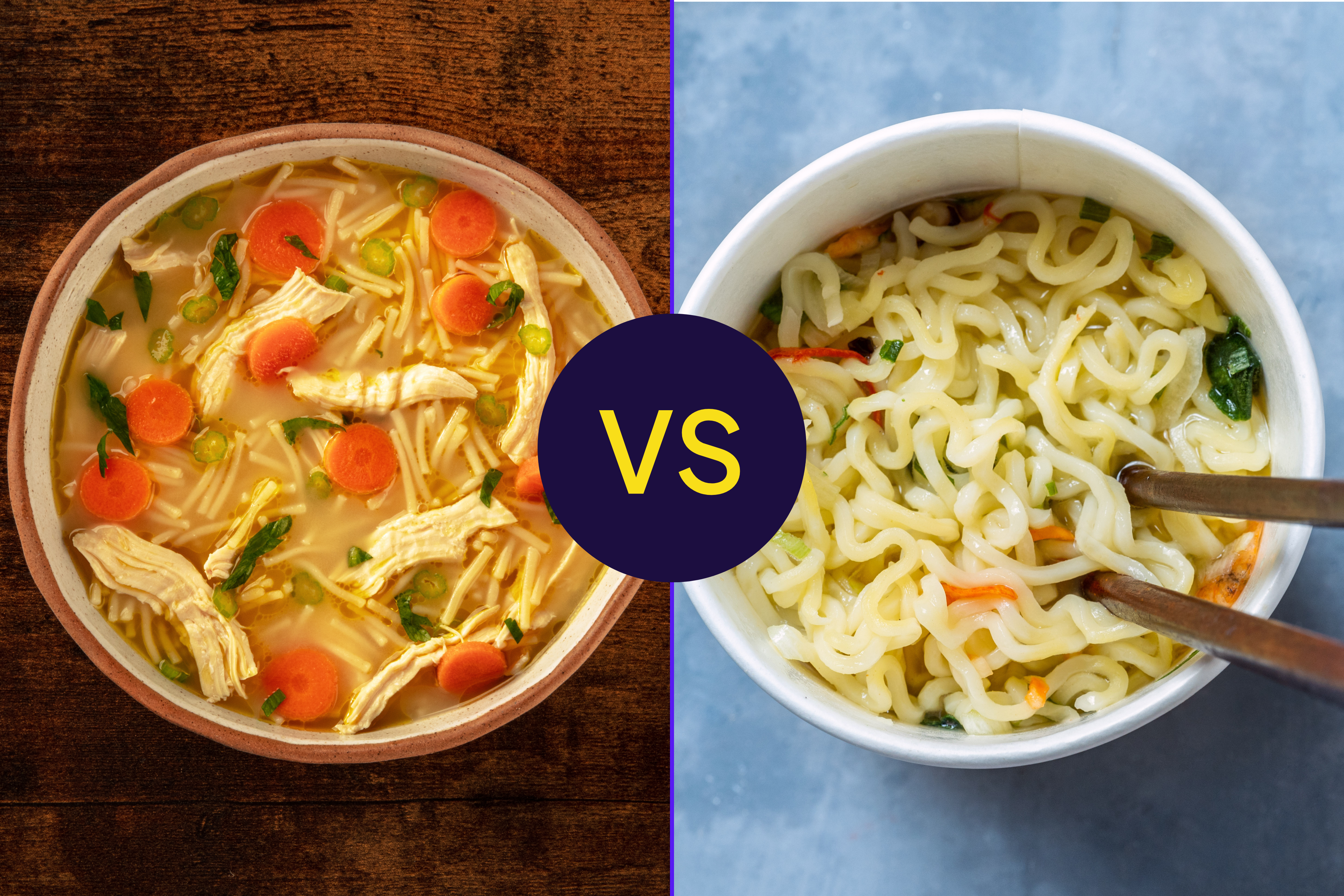
The comforting bowls of chicken noodle soup and instant ramen are staples for many, but which one is better for your heart? Both often contain high levels of sodium, a known contributor to high blood pressure, prompting questions about their overall health impact. The primary concern with both soups lies in their sodium content, which can potentially raise blood pressure and increase the risk of cardiovascular problems. According to the Dietary Guidelines for Americans, limiting sodium intake to less than 2,300 milligrams per day is crucial for maintaining heart health. A single serving of either soup can easily exceed a substantial portion of that limit, making mindful adjustments essential.
However, experts suggest that modifications can improve the health profile of both options. For chicken noodle soup, opting for low-sodium varieties or making soup from scratch allows for greater control over sodium levels. Adding fresh vegetables and lean protein further enhances nutritional value, making it a more balanced and nutritious meal. Similarly, with ramen, choosing low-sodium brands and rinsing the noodles before cooking can help reduce the overall sodium content. Adding vegetables and a source of protein, such as an egg or tofu, can also create a more balanced and nutritious meal.
Ultimately, both chicken noodle soup and ramen can be part of a healthy diet when consumed in moderation and with mindful adjustments. Paying attention to sodium levels and incorporating nutritious additions are key to maximizing their benefits and minimizing potential risks to heart health. Consulting with a healthcare professional or registered dietitian can provide personalized guidance on dietary choices for optimal cardiovascular well-being. By making informed decisions and adopting healthy habits, individuals can enjoy their favorite soups while maintaining a healthy heart.