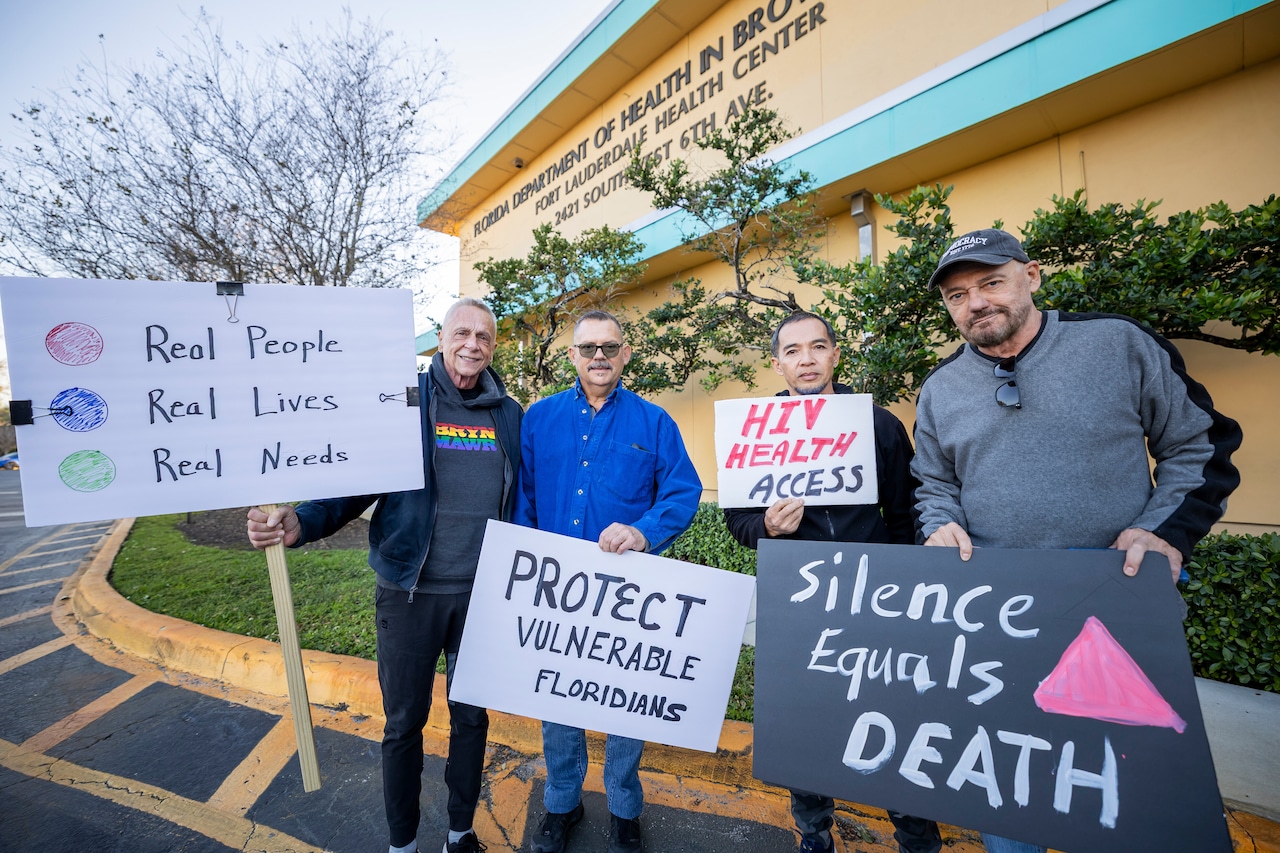
The Florida Department of Health has made a significant decision that will impact low-income and uninsured residents who rely on the AIDS Drug Assistance Program (ADAP) for HIV medication. The program, a collaborative effort between federal and state governments, provides financial assistance to individuals struggling to afford the often-substantial costs of HIV medications. ADAP plays a critical role in managing the disease and preventing its spread, allowing individuals to maintain health and productivity while reducing the risk of transmission.
According to ABC News, the emergency rule triggered the funding reduction, effectively limiting access to vital treatment for vulnerable populations across the state. Specific details regarding the extent of the cuts and the immediate impact on beneficiaries remain unclear, but advocates are expressing deep concern about the potential consequences. The sudden nature of the change raises questions about the process and rationale behind the decision, with many fearing it will lead to treatment interruptions and negative health outcomes for those affected.
The Florida Department of Health has not yet released a comprehensive statement explaining the reasons for the ADAP cuts. Further information is expected to be released in the coming days. This situation highlights the ongoing challenges faced by individuals living with HIV in accessing affordable healthcare, and the potential vulnerability of public health programs to funding fluctuations. The long-term effects of this reduction remain to be seen, but advocacy groups are mobilizing to assess the impact and explore potential avenues for restoring funding and protecting access to essential medications.