A recent study has cast a shadow over the safety and accuracy of ChatGPT Health, OpenAI's chatbot designed to provide medical advice.
The findings, released this week, suggest potential risks associated with relying on the AI tool for health-related information, prompting calls for greater scrutiny and regulation within the rapidly evolving field of AI-powered healthcare. While ChatGPT Health offers the potential to increase access to medical information and support, particularly for individuals in underserved areas, the study highlights critical limitations. Researchers evaluated the chatbot's responses to a series of medical queries and found instances of inaccurate, incomplete, or even potentially harmful advice.
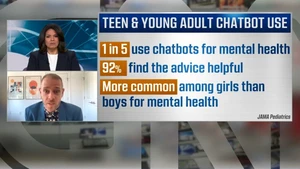
The emergence of AI chatbots like ChatGPT Health represents a significant shift in how people access and process health information. As these tools become increasingly integrated into healthcare settings and used by individuals for self-diagnosis and treatment decisions, ensuring their safety and reliability is paramount. This new study serves as a vital reminder of the ongoing need for rigorous testing, transparency, and ethical considerations in the development and deployment of AI in healthcare. The industry, and regulatory bodies, are now faced with the challenge of balancing the potential benefits of AI with the need to protect patient safety and well-being.