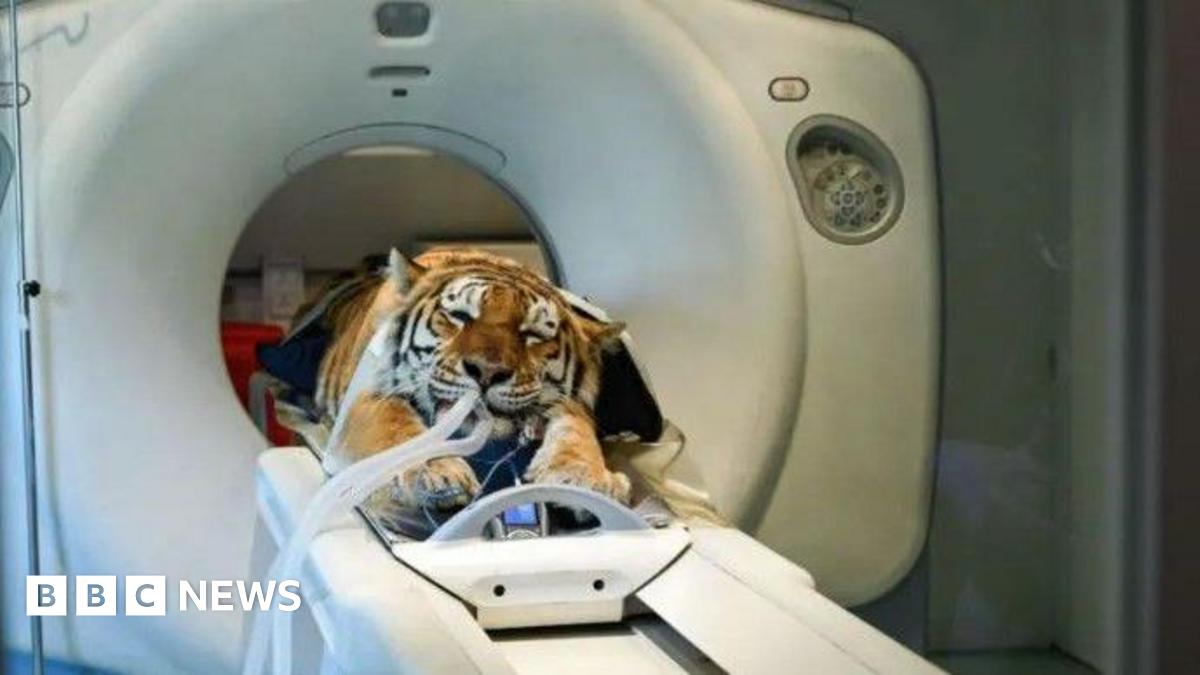
The Big Cat Sanctuary in Smarden, Kent, has turned to advanced CT scans to uncover the root causes of mobility problems affecting three of its big cats. The scans, performed on an Amur tiger named Luca, a mainland clouded leopard called Django, and a cheetah known as Mo, are providing crucial insights into their internal structures and identifying potential underlying conditions. These majestic animals have been experiencing ongoing mobility challenges that haven't responded to standard treatments, and the sanctuary is determined to find a solution to improve their quality of life.
The CT scans offer a non-invasive way to examine the cats' internal structures, allowing veterinarians to develop targeted treatment plans to address their mobility concerns. "These scans are invaluable in helping us understand what's going on inside these magnificent animals," stated a sanctuary representative. The results of the scans will guide the sanctuary's veterinary team in developing treatment plans to address the cats' mobility issues and improve their overall well-being.
The Big Cat Sanctuary is known for its dedication to the rescue and care of big cats, providing a safe haven for animals in need. The sanctuary's commitment to using advanced diagnostic tools like CT scans demonstrates its commitment to providing the best possible care for its animals. Further updates on the cats' conditions and treatment plans will be released as they become available, and the sanctuary is confident that the CT scans will provide the necessary insights to improve the lives of these incredible animals.